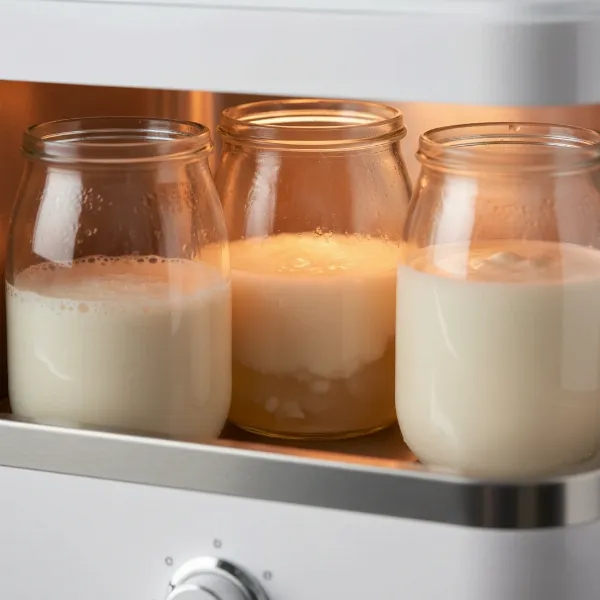
The secret to truly delicious homemade yogurt often lies in one crucial factor: incubation time. While the process itself is straightforward, mastering the duration your yogurt ferments allows you to precisely control its flavor, from delicately mild to wonderfully tart. If you’ve ever wondered why your homemade yogurt turns out too sour, or not sour enough, understanding the nuances of incubation is your key to consistency and customization. This guide will delve into the science, offer practical tips, and help you discover the incubation period that perfectly suits your taste buds.
The Science Behind Sour: How Yogurt Gets Its Tang
Yogurt’s distinctive sourness is no accident; it’s the delicious byproduct of a natural biological process driven by microscopic workers.
Lactic Acid and Bacterial Activity
|
Our Picks for the Best Yogurt maker in 2026
As an Amazon Associate I earn from qualifying purchases.
|
||
| Num | Product | Action |
|---|---|---|
| 1 | Euro Cuisine YM80 Electric Yogurt Maker Machine- Promote Gut Health with Probiotic Rich Homemade Yogurt -Home Yogurt Incubator with Glass Jars, White |

|
| 2 | Yogurt Maker with Adjustable Temperature & Time Control, Probiotic Yogurt Maker Machine with 8 Glass Jars, Automatic Shut-Off for Homemade Probiotic Yogurt, Promoting Gut Health(48OZ) |
|
| 3 | GDOR Yogurt Maker with Adjustable Temp & Timer– Probiotic-Rich – Digital Greek Yogurt Machine with 8×6oz BPA-Free Glass Jars, Easy to Use for Home, Stainless Steel |
|
| 4 | Easy Yogurt Maker for Perfect Homemade Yogurt, 1.7 QT Electric Fermenter for Greek Yogurt, Rice Wine, Natto, with Digital Control & Auto Keep Warm, BPA-Free Container |
|
| 5 | Yogurt Dehydrator, Small-Batch Greek Yogurt Maker with Built-In Date Reminder Fresh, Simple & Just the Right Amount — Food-Grade BPA-Free Materials |
|
| 6 | Yogurt Maker Machine, 8 Glass Jars with Lids Reusable for Yoghurt, Oatmeal, Pudding, or Jello, Food-Grade Martial, One-touch Control, Homemade Yogurt |
|
| 7 | Yogurt Maker, Compact Greek Yogurt Maker Machine with Constant Temperature Control, Stainless Steel Container, 1 Quart for Home Organic Yogurt |
|
| 8 | Euro Cuisine Yogurt Maker - YMX650 Automatic Digital Yogurt Maker Machine with Set Temperature - Includes 7-6 oz. Reusable Glass Jars and 7 Rotary Date Setting Lids for Instant Storage |
|
| 9 | Ultimate Probiotic Yogurt Maker with Adjustable Time & Temp Control - Make Trillions of Live Probiotics with Two 1-Quart Containers for Larger Batches - Greek Yogurt Maker - ULTIMATE LIFETIME WARRANTY |
|
| 10 | Yogurt Maker with Two Containers, Yogurt Maker Machine with Adjustable Temperature & Time Control, Automatic Shut-Off & Constant Temper for Homemade Probiotic Yogurt, Promoting Gut Health |
|
At the heart of yogurt making are beneficial bacteria, primarily Lactobacillus bulgaricus and Streptococcus thermophilus. These tiny powerhouses are introduced to milk via a starter culture. Once activated by warmth, they begin to feast on the lactose, which is the natural sugar present in milk. As they metabolize lactose, they produce lactic acid. This acid not only gives yogurt its characteristic tangy flavor but also causes the milk proteins to coagulate, transforming liquid milk into the creamy, semi-solid texture we associate with yogurt. The more lactic acid produced, the more sour the yogurt becomes.
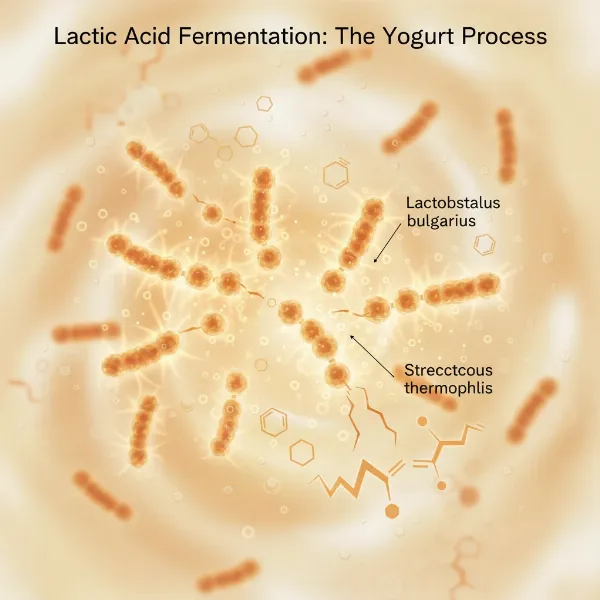 Illustration of lactic acid bacteria converting lactose in milk during yogurt fermentation process.
The Role of Temperature
Temperature plays a critical role in controlling the pace of this bacterial feast. The optimal temperature range for these thermophilic (heat-loving) cultures is generally between 105°F and 115°F (40°C to 46°C). Within this range, the bacteria are most active, efficiently converting lactose to lactic acid. If the temperature is too low, the bacteria become sluggish, and fermentation slows down considerably, or may not even occur. Conversely, if the temperature is too high, the cultures can be inhibited or even killed, leading to a failed batch or an unpleasant texture. Maintaining a stable, consistent temperature throughout the incubation period is paramount for successful and predictable results.
Incubation Time: Your Control Over Yogurt Sourness
The duration of incubation is your most direct lever for adjusting the sourness of your homemade yogurt. A few hours can make all the difference between a sweet, mild treat and a robust, tart delight.
Shorter Incubation for Milder Yogurt
If you prefer a yogurt with a subtle tang and a sweeter profile, aiming for a shorter incubation period is key. Less time allows the bacteria to produce a smaller amount of lactic acid before you halt the fermentation. Typically, for a mild yogurt, you might incubate for approximately 3.5 to 6 hours within the ideal temperature range. This results in a product with more residual lactose and a gentler flavor that pairs wonderfully with fruits or granola without overpowering them.
Longer Incubation for Tangier Yogurt
For those who crave a more pronounced sourness, extending the incubation time is the answer. As the bacteria continue to work, they convert more lactose into lactic acid, intensifying the tang. Many yogurt makers find their ideal tartness between 8 and 12 hours of incubation. Some enthusiasts even extend this to 24 hours or longer, yielding a very tart yogurt that is also significantly lower in lactose, a benefit for those with sensitivities. While a longer fermentation can increase sourness, be mindful that incubating for too long might lead to a grainy texture or excessive whey separation.
The “Sweet Spot” for Balanced Flavor
Most homemade yogurt recipes suggest an incubation time between 6 and 8 hours for a balanced flavor that offers a pleasant tang without being overly sour. However, the “sweet spot” is truly subjective and varies from person to person. It depends on your personal taste preference, the type of starter culture you use, and even the milk you choose. The best way to find your perfect balance is through experimentation, gradually adjusting the incubation time until you achieve the flavor profile you desire.
Factors Beyond Time That Influence Yogurt’s Tang
While incubation time is crucial, other elements subtly or significantly contribute to the final sourness and overall character of your homemade yogurt.
The Starter Culture You Choose
The type and freshness of your starter culture play a significant role in the yogurt’s flavor. Different starter cultures contain varying strains and ratios of bacteria, some of which are known to produce more lactic acid and a tangier yogurt than others. Some cultures are specifically marketed as “mild” or “tart.” Using a fresh, active starter culture ensures robust bacterial growth and consistent results. Conversely, an old or weakened starter may lead to slow fermentation and less sour yogurt, or even fail to set properly. Using too much starter can also accelerate lactic acid production, resulting in a tangier yogurt more quickly.
“The right starter culture is like the conductor of an orchestra; it directs the symphony of flavors and textures in your yogurt.” – Dr. Elena Petrova, Fermentation Scientist
Milk Type and Fat Content
The kind of milk you use can also subtly influence the perceived sourness. Whole milk, with its higher fat content, often results in a creamier yogurt. The richness of the fat can sometimes mask or mellow the perception of sourness, making a tart yogurt seem less intense. Lower-fat milk, on the other hand, might allow the sour notes to be more prominent. Additionally, the initial lactose content in different milk types can vary, which in turn affects the amount of “food” available for the bacteria to convert into lactic acid.
External Environment and Yogurt Maker Consistency
The stability of your incubation environment is paramount. Any fluctuations in temperature can stress the bacterial cultures, leading to inconsistent fermentation and unpredictable sourness. A reliable Yogurt Maker, an Instant Pot on its yogurt setting, a slow cooker set to “Warm,” or even an oven with just the light on can provide the steady heat needed. Drafts or ambient temperature changes in your kitchen can impact the incubation, so choosing a consistent method is more important than the specific tool.
Achieving Your Preferred Sourness: Practical Tips
Making perfect yogurt is an art as much as it is a science. Here are some practical tips to help you consistently achieve your desired level of tang.
Experimentation is Key
The most effective way to find your ideal yogurt is to experiment. Start with a commonly recommended incubation time (e.g., 6-8 hours) and make small adjustments in subsequent batches. Keep a simple log of your incubation time, temperature, and the resulting flavor and texture. This documentation will become invaluable as you learn what works best for your starter, milk, and equipment. Don’t be afraid to try variations until you discover your personal favorite.
Taste Testing Along the Way
Once your yogurt has started to set, you can carefully taste-test it to gauge its sourness. After about 4 hours, gently spoon a small amount from one of your jars. If it’s not sour enough, allow it to continue incubating. This allows you to monitor the progress without significantly disrupting the fermentation process of the entire batch. Remember to chill the yogurt promptly once it reaches your desired tang to stop the fermentation.
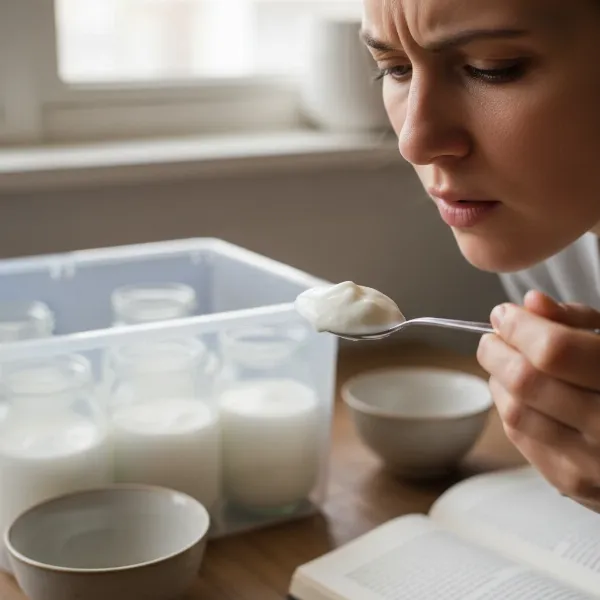 Person tasting a spoon of homemade yogurt to determine its sourness level during incubation.
Troubleshooting Common Incubation Issues
- Too Sour: If your yogurt consistently turns out too tart, try reducing your incubation time by 1-2 hours for the next batch. You might also consider slightly lowering your incubation temperature (within the optimal range) or using a smaller amount of starter culture.
- Not Sour Enough/Too Mild: If your yogurt lacks the tang you desire, try increasing the incubation time by an hour or two. Ensure your incubation temperature is stable and within the recommended range, as cooler temperatures slow down acid production. Using a fresh, active starter culture is also essential for vigorous fermentation.
- Inconsistent Results: If your yogurt’s sourness varies from batch to batch, review your entire process. Check the freshness of your starter, ensure your incubation temperature is absolutely stable, and verify that your milk is consistently heated and cooled to the correct temperatures before adding the starter.
Extending Shelf Life and Storing Your Homemade Yogurt
Once your yogurt has reached its peak tang, proper handling is crucial for both flavor and longevity.
Proper Chilling and Storage
After incubation, it’s vital to chill your yogurt quickly. This rapid cooling halts the fermentation process, preventing the bacteria from producing any more lactic acid and making your yogurt overly sour. Transfer your yogurt to clean, airtight containers and refrigerate it immediately for at least 2 hours to allow it to set further and develop a firmer texture. Stored properly, homemade yogurt can typically last for 1 to 2 weeks in the refrigerator.
When Is It Too Sour?
While personal preference dictates how sour you like your yogurt, there’s a point where “too sour” can indicate spoilage or an undesirable flavor. If your yogurt develops an off-putting, yeasty, or intensely bitter taste, or if you observe mold, it’s best to discard it. However, extremely tart yogurt that still smells fresh and has a good texture is generally safe to eat and can be repurposed in recipes like smoothies, baking, or savory dishes where its acidity is welcome.
Conclusion
Mastering incubation time is truly the secret ingredient to creating homemade yogurt that perfectly matches your taste. By understanding the dance between lactic acid bacteria, temperature, and time, you gain unparalleled control over your yogurt’s sourness. Whether you prefer a delicate whisper of tang or a bold, mouth-puckering zest, a little experimentation and attention to detail will guide you to your ideal batch. So, grab your milk and starter, adjust that timer, and prepare to embark on a delicious journey of discovery. What’s your secret to the perfect batch of homemade yogurt?
Frequently Asked Questions
How long does yogurt take to incubate?
Yogurt typically takes between 4 to 12 hours to incubate, although some methods and desired sourness levels can extend this to 24 hours or even longer. The exact time depends on your preferred level of tang, the temperature, and the starter culture used.
What happens if you incubate yogurt too long?
If you incubate yogurt for too long, the bacteria will continue to produce lactic acid, making the yogurt increasingly sour. Over-incubation can also lead to a grainy texture and cause whey to separate from the solid yogurt curds. While often safe to eat, the flavor might become excessively sharp.
Can I make yogurt less sour?
Yes, you can make yogurt less sour by reducing the incubation time. Shorter fermentation periods mean less lactic acid is produced, resulting in a milder, sweeter yogurt. Ensuring a consistent, slightly lower temperature (within the optimal range) and using a fresh, mild starter culture can also help.
Does more starter make yogurt more sour?
Using too much starter culture can indeed make yogurt more sour. A larger quantity of active bacteria will accelerate the fermentation process, leading to a faster production of lactic acid and a quicker onset of tanginess. It can also sometimes result in a thinner or grainier texture.
What temperature is best for yogurt incubation?
The best temperature for yogurt incubation is generally between 105°F and 115°F (40°C to 46°C). This range provides the optimal environment for the lactic acid bacteria to thrive and efficiently convert lactose into lactic acid, ensuring proper setting and flavor development.