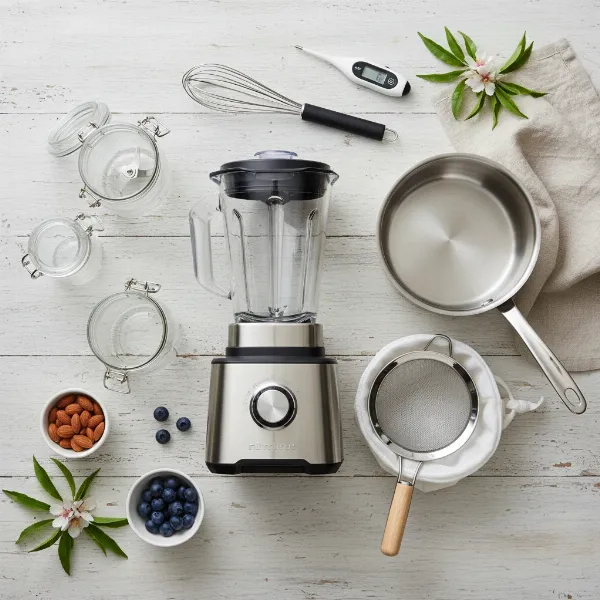
Homemade yogurt offers a delightful and healthy addition to any diet, allowing for customization and control over ingredients. However, as you embark on your yogurt-making journey, a crucial decision often arises: selecting the right container material for your yogurt maker. This choice impacts not just the quality and taste of your final product, but significantly affects your health and the environmental footprint of your kitchen. This comprehensive guide delves into the two most common materials—stainless steel and plastic—comparing their safety, durability, performance, and ecological implications to help you make an informed decision that aligns with your lifestyle and values.
Your Comprehensive Guide to Yogurt Maker Container Materials
Choosing the ideal container for your homemade yogurt involves more than just aesthetics; it’s about understanding the fundamental properties of the materials and how they interact with food, especially during the fermentation process.
Understanding the Basics: Stainless Steel Containers
Stainless steel containers, often crafted from high-grade alloys such as 304 (18/8) or 316 (18/10), are a premium choice for food storage due to their inherent strength and chemical stability. These numbers refer to the chromium and nickel content, which provides superior corrosion resistance.
Advantages of Stainless Steel:
- Health and Safety: Food-grade stainless steel is celebrated for being non-toxic and entirely free from harmful chemicals like BPA, phthalates, and PVC. Crucially, it does not leach any substances into your food, even when exposed to acidic ingredients like yogurt or elevated temperatures during incubation. Furthermore, stainless steel does not shed microplastics, ensuring the purity of your homemade yogurt.
- Durability: Renowned for its robustness, stainless steel is highly resistant to dents, cracks, and warping. It withstands repeated use and high temperatures without degradation, promising a significantly longer lifespan compared to plastic alternatives. This resilience makes it a wise, long-term investment.
- Hygiene: The smooth, non-porous surface of stainless steel naturally inhibits bacterial growth, making it an exceptionally hygienic choice. It’s effortless to clean, often dishwasher safe, and does not absorb odors or stains from food, maintaining its pristine condition over time.
- Non-Reactivity: Stainless steel is non-reactive, meaning it will not interact with the acidity of the yogurt, preserving its natural flavor and quality. You won’t detect any metallic taste or compromise in texture.
- Temperature Stability: Stainless steel boasts excellent thermal properties, helping to maintain a consistent temperature throughout the yogurt fermentation process. This stability is vital for optimal bacterial activity and a perfectly set yogurt. It also helps keep yogurt cold longer during storage.
- Sustainability: As a durable and reusable material, stainless steel dramatically reduces waste. When its long service life finally ends, it is also fully recyclable, making it an environmentally responsible choice.
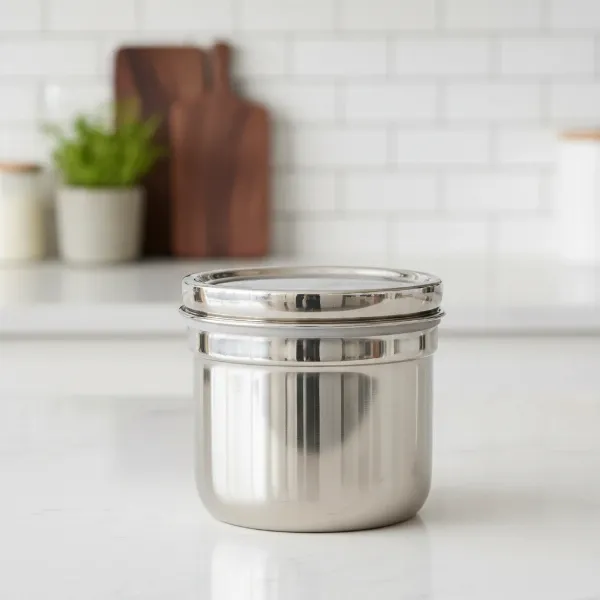 A sleek, food-grade stainless steel yogurt container, gleaming and ready for fermentation.
Disadvantages of Stainless Steel:
- Cost: Stainless steel containers typically have a higher upfront cost than their plastic counterparts.
- Weight: They are generally heavier, though this is usually not an issue for stationary yogurt makers.
- Visibility: Being opaque, you cannot visually monitor the yogurt’s setting progress without opening the container, which can sometimes disturb the fermentation.
|
Our Picks for the Best Yogurt maker in 2026
As an Amazon Associate I earn from qualifying purchases.
|
||
| Num | Product | Action |
|---|---|---|
| 1 | Yogurt Dehydrator, Small-Batch Greek Yogurt Maker with Built-In Date Reminder Fresh, Simple & Just the Right Amount — Food-Grade BPA-Free Materials |

|
| 2 | Yogurt Maker with Adjustable Temperature & Time Control, Probiotic Yogurt Maker Machine with 8 Glass Jars, Automatic Shut-Off for Homemade Probiotic Yogurt, Promoting Gut Health(48OZ) |
|
| 3 | GDOR Yogurt Maker with Adjustable Temp & Timer– Probiotic-Rich – Digital Greek Yogurt Machine with 8×6oz BPA-Free Glass Jars, Easy to Use for Home, Stainless Steel |
|
| 4 | Easy Yogurt Maker for Perfect Homemade Yogurt, 1.7 QT Electric Fermenter for Greek Yogurt, Rice Wine, Natto, with Digital Control & Auto Keep Warm, BPA-Free Container |
|
| 5 | Yogurt Maker, Compact Greek Yogurt Maker Machine with Constant Temperature Control, Stainless Steel Container, 1 Quart for Home Organic Yogurt |
|
| 6 | Euro Cuisine Yogurt Maker - YMX650 Automatic Digital Yogurt Maker Machine with Set Temperature - Includes 7-6 oz. Reusable Glass Jars and 7 Rotary Date Setting Lids for Instant Storage |
|
| 7 | Ultimate Probiotic Yogurt Maker with Adjustable Time & Temp Control - Make Trillions of Live Probiotics with Two 1-Quart Containers for Larger Batches - Greek Yogurt Maker - ULTIMATE LIFETIME WARRANTY |
|
| 8 | Euro Cuisine YM80 Electric Yogurt Maker Machine- Promote Gut Health with Probiotic Rich Homemade Yogurt -Home Yogurt Incubator with Glass Jars, White |
|
| 9 | Yogurt Maker Machine, 8 Glass Jars with Lids Reusable for Yoghurt, Oatmeal, Pudding, or Jello, Food-Grade Martial, One-touch Control, Homemade Yogurt |
|
| 10 | Yogurt Maker with Two Containers, Yogurt Maker Machine with Adjustable Temperature & Time Control, Automatic Shut-Off & Constant Temper for Homemade Probiotic Yogurt, Promoting Gut Health |
|
Understanding the Basics: Plastic Containers
Plastic containers are a pervasive choice in kitchens worldwide, often valued for their lightness and affordability. They come in various types, with food-grade options designed for safety.
Advantages of Plastic:
- Cost: Plastic containers are almost always more affordable, offering a low entry barrier for new yogurt makers.
- Weight: Their lightweight nature makes them convenient for storage and transport.
- Visibility: Many plastic containers are transparent, allowing for easy visual inspection of the yogurt’s consistency without needing to open the lid.
Disadvantages of Plastic:
- Health and Safety: This is often the most significant concern. While many plastics are marketed as “BPA-free,” they can still contain other potentially harmful chemicals like phthalates and PVC, which may leach into food, particularly when exposed to heat (as in a yogurt maker) or acidic ingredients. There’s also a growing concern about microplastic shedding, which can contaminate food over time.
- Durability: Plastic is less durable than stainless steel. It is prone to scratching, staining, absorbing odors, and can warp or degrade over time, especially with repeated exposure to heat or acidic environments. Scratched plastic surfaces can also harbor bacteria.
- Reactivity: Some plastics can react with acidic foods, potentially affecting the taste of your yogurt or accelerating the degradation of the plastic itself. They are also known to absorb strong food odors and stains.
- Hygiene: Scratches on plastic surfaces can create microscopic crevices where bacteria can hide, making thorough cleaning more challenging compared to the smooth surface of stainless steel.
- Temperature Stability: Plastics generally offer less insulation than stainless steel, which can lead to more temperature fluctuations during the fermentation process. Inconsistent temperatures may result in a less desirable yogurt texture or an extended incubation time.
- Sustainability: Due to their shorter lifespan and the complexities of recycling various plastic types, plastic containers tend to have a larger environmental impact. They contribute to plastic waste, a significant global concern.
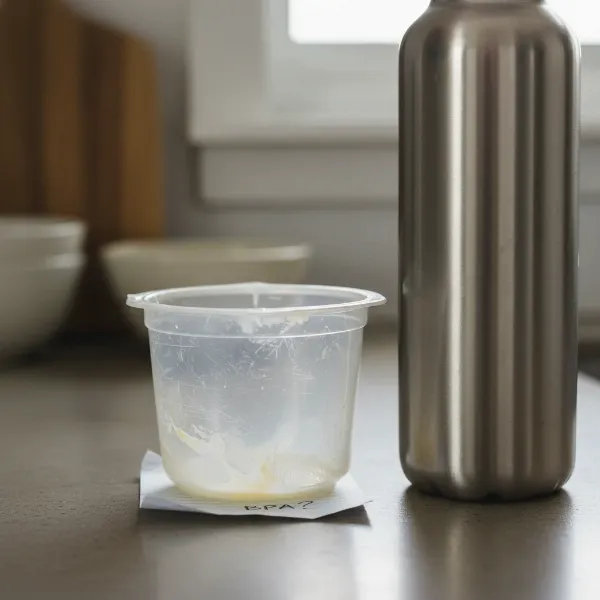 A used plastic yogurt container, showing signs of wear, scratches, and slight discoloration.
A Detailed Comparison: Stainless Steel vs. Plastic
To simplify your decision, here’s a side-by-side comparison of the key attributes:
| Feature | Stainless Steel | Plastic |
|---|---|---|
| Health & Safety | Excellent (no chemical leaching, no microplastics) | Moderate (potential for chemical leaching, microplastics) |
| Durability | High (long-lasting, heat-resistant, scratch-resistant) | Low to Moderate (prone to scratches, warping, degradation) |
| Non-Reactivity | Excellent (maintains food purity and taste) | Moderate (can react with acidic foods, absorb odors) |
| Hygiene | Excellent (non-porous, easy to clean, no stains) | Moderate (can scratch, stain, retain odors) |
| Temperature | Good insulation, stable fermentation | Less insulation, potentially less stable fermentation |
| Cost | Higher upfront investment | Lower upfront cost |
| Weight | Heavier, robust feel | Lighter, more portable |
| Transparency | Opaque (cannot see yogurt inside) | Transparent (allows visual monitoring) |
| Sustainability | Highly sustainable (reusable, recyclable) | Less sustainable (shorter lifespan, recycling challenges) |
Factors to Consider When Choosing Your Container
The “best” choice depends on your personal priorities and specific needs.
- Your Health Priorities: If minimizing exposure to potentially harmful chemicals and microplastics is a top concern, stainless steel is the undisputed champion.
- Budget: Plastic offers a lower entry point, making it accessible for those on a tighter budget. However, stainless steel often proves more cost-effective in the long run due to its longevity.
- Frequency of Use: For those who make yogurt frequently, durability and ease of cleaning become paramount. Stainless steel excels in both these areas, making it a more convenient choice for regular use.
- Desired Lifespan: If you seek a container that will last for many years, even decades, stainless steel is the superior option. Plastic containers will likely need to be replaced periodically.
- Environmental Impact: Opting for stainless steel significantly reduces your reliance on disposable or short-lived plastics, aligning with an eco-conscious lifestyle.
- Monitoring Preference: If you prefer to visually check your yogurt’s setting progress without disturbing it, a transparent plastic container might appeal, though this comes with other trade-offs.
Making the Switch: Upgrading to Stainless Steel
For many home yogurt makers, the advantages of stainless steel far outweigh its higher initial cost. Upgrading to stainless steel containers can be a significant step towards a healthier, more sustainable kitchen.
Why Upgrade? The decision to switch to stainless steel is often driven by a desire for long-term health benefits, superior durability, and the assurance that your homemade yogurt retains its purity without chemical interference. It also aligns with a growing commitment to environmental responsibility by reducing plastic waste.
What to Look For: When selecting stainless steel containers for your yogurt maker, always prioritize food-grade stainless steel, typically indicated by 18/8 or 18/10, or grades 304/316. Ensure the containers are appropriately sized for your specific yogurt maker model and come with well-sealed, preferably non-plastic, lids to maintain an airtight environment.
Maintenance Tips: Stainless steel is remarkably easy to care for. Simple cleaning with soap and warm water is usually sufficient, and most stainless steel containers are dishwasher safe. To preserve their finish, avoid using overly abrasive cleaners or scourers that could scratch the surface.
Expert Insight
“While plastic containers offer convenience and affordability, the long-term health implications of chemical leaching and microplastic exposure, especially in acidic environments like yogurt, make stainless steel a superior choice for conscientious home yogurt makers.” – Dr. Anya Sharma, Food Safety & Nutrition Expert.
Conclusion
The choice between stainless steel and plastic containers for your yogurt maker ultimately boils down to a balance of initial cost, perceived convenience, and crucial health and environmental considerations. While plastic presents a budget-friendly and lightweight option with visual convenience, stainless steel yogurt maker containers offer unparalleled health safety, exceptional durability, and significant environmental benefits. Investing in high-quality stainless steel can elevate your homemade yogurt experience, ensuring purity, longevity, and peace of mind for years to come. What material will you choose to nurture your next batch of delicious, homemade yogurt?
Frequently Asked Questions
Is “BPA-free” plastic safe for making yogurt?
While BPA-free plastics remove one concern, they may still contain other chemicals that can leach into food, especially when exposed to heat or acidic conditions. For maximum safety and purity, stainless steel remains the preferred option.
Can stainless steel affect the taste of my yogurt?
No, food-grade stainless steel is non-reactive and will not impart any metallic taste or odor to your yogurt, preserving its natural flavor and freshness.
How long do stainless steel yogurt containers last compared to plastic?
Stainless steel containers are significantly more durable and can last for decades with proper care, whereas plastic containers tend to degrade, scratch, and warp much faster, often requiring replacement every few years.
Are there environmental benefits to using stainless steel?
Absolutely. Choosing stainless steel reduces your reliance on single-use plastics and the environmental burden of plastic production and disposal. Stainless steel is a highly recyclable material, making it an eco-friendly choice.
Is stainless steel heavier than plastic, and does it matter for yogurt makers?
Yes, stainless steel is heavier than plastic. For Yogurt Makers, the weight typically isn’t an issue as the container sits stationary during the incubation process. The added weight often signifies its robust construction and durability.