Welcome to the wonderful world of homemade yogurt! If you’ve ever dreamt of crafting your own thick, creamy, and tangy yogurt right in your kitchen, you’ve come to the right place. Maybe you’re tired of the endless plastic pots from the supermarket or the long ingredient lists full of things you can’t pronounce. That’s where the magic begins. But to get that perfect, consistent result every single time, you need a secret weapon. Let’s talk about what is a yogurt maker and how this simple appliance can completely transform your yogurt game. It’s not just a gadget; it’s your ticket to fresher, healthier, and more delicious yogurt than you’ve ever tasted.
What is a Yogurt Maker & Why You Need One
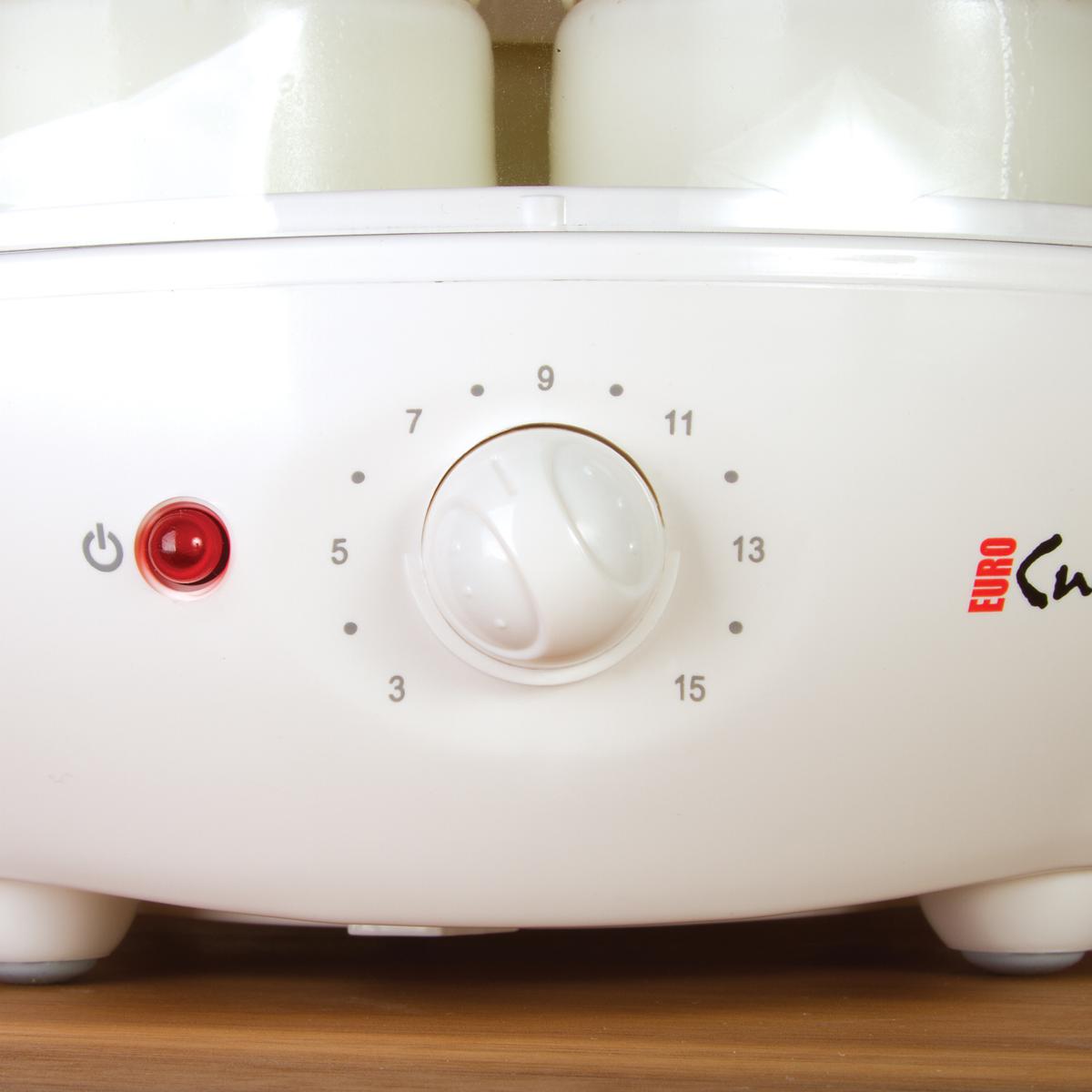
So, what exactly is this device? In the simplest terms, a yogurt maker is a kitchen appliance designed to create the perfect environment for milk and starter cultures to transform into yogurt. Think of it as a dedicated, cozy incubator for the good bacteria (probiotics) that do all the hard work. It maintains a consistent, low temperature for several hours, which is the most critical factor in successful yogurt fermentation.
But why do you need one? Can’t you just use an oven with the light on or a warm spot in your house? You could try, but consistency is the name of the game.
- Flawless Consistency: A yogurt maker eliminates the guesswork. It holds the temperature steady, preventing it from getting too hot (which kills the cultures) or too cold (which stops them from working). This means you get the same perfect texture every batch.
- Ultimate Control: You are the master of your yogurt! You control the ingredients—the type of milk, the sweetness level, and the flavors. No more hidden sugars or artificial thickeners.
- Cost-Effective: Over time, making your own yogurt is significantly cheaper than buying it. A gallon of milk and a bit of starter can produce a huge batch for a fraction of the cost of store-bought individual cups.
- Set-It-and-Forget-It Convenience: Most modern yogurt makers come with timers and automatic shut-off features. You just mix your ingredients, set the timer, and walk away. The machine does the rest.
How Does a Yogurt Maker Work?
It might sound technical, but the process is beautifully simple. A yogurt maker works by gently heating and maintaining its contents at an optimal, stable temperature (usually between 100°F and 115°F or 38°C to 46°C) for a set period, allowing live bacterial cultures to ferment the lactose in milk into lactic acid. This acid is what thickens the milk and gives yogurt its characteristic tangy flavor.
The entire process breaks down into three core stages, all managed perfectly by the machine:
- Heating (Pre-Appliance): You’ll typically heat your milk first to about 180°F (82°C) and then cool it down. This step isn’t done in the maker, but it’s crucial for a thicker texture.
- Inoculating (Adding the Culture): Once the milk has cooled to around 110°F (43°C), you stir in your starter culture (a bit of existing yogurt or a powdered starter).
- Incubating (The Maker’s Job): This is where the yogurt maker shines. You pour the mixture into the maker’s containers, set the timer, and its heating element provides a stable, gentle warmth for the next 6-12 hours. This is the fermentation magic.
|
Our Picks for the Best Yogurt Maker in 2025
As an Amazon Associate, we earn from qualifying purchases.
|
||
| Num | Product | Action |
|---|---|---|
| 1 | Suteck Yogurt Maker - Stainless Steel Yogurt Makers with Adjustable Time & Temp Control,Automatic Shut-Off & Constant Temper for Homemade Greek, Probiotic Yogurt, BPA-Free 8 Glass Jars (48 oz) |

|
| 2 | Ultimate Yogurt Jars - Make More Delicious Yogurt! 8 Count Small Glass Yogurt Cups With Lids - 100% BPA Free, Airtight & Dishwasher Safe! Perfect Containers for Yoghurt, Oatmeal, Pudding, or Jello |
|
| 3 | Ultimate Probiotic Yogurt Maker with Adjustable Temperature & Time Control - Make Trillions of Live Probiotics & Get Better Gut Health - ULTIMATE LIFETIME WARRANTY - Wellness Gifts for Men & Women |
|
| 4 | Euro Cuisine YM360 Yogurt Maker with Adjustable Time & Temperature Control - 2-Quart Glass Jar, FREE Thermometer & Cotton Strainer Bag, 2025 Edition, Black, Make Yummy Organic Probiotic Yogurt at Home |
|
| 5 | Yogurt Maker, Automatic Digital Yoghurt Maker Machine with 5 Glass Jars 42 Ozs, with Constant Temperature Control for Home Organic Yogurt, Cheese, Fruit Wine (No Cups) |
|
| 6 | DASH My Mug Ice Cream Maker Machine (Aqua): Multi-Purpose Soft Serve Ice Cream Machine with (2) Bowls for Homemade Gelato, Sorbet, Frozen Yogurt, Built-In Ingredient Chute, Easy to Clean and Store |
|
| 7 | Ultimate Probiotic Yogurt Maker with Adjustable Temperature & Time Control - Make Trillions of Live Probiotics & Get Better Gut Health - ULTIMATE LIFETIME WARRANTY - Wellness Gifts for Men & Women |
|
| 8 | Bear Yogurt Maker, Greek Yogurt Maker Machine with Strainer and Timer Control, Stainless Steel Inner Pot, Automatic Digital with 2 Glass Jars 1 Quart for Home Organic Yogurt, Cheese, Fruit Wine |
|
| 9 | Suteck Yogurt Maker with 8 Glass Jars, Time & Temp Adjustable Control Yogurt Machine, Homemade Greek & Probiotic Yogurt, Automatic Shut-Off, BPA-Free, 48 oz Total, |
|
| 10 | Yogurt Maker, Automatic Digital Yoghurt Maker Machine with 5 Glass Jars 42 Ozs, with Constant Temperature Control for Home Organic Yogurt, Cheese, Fruit Wine (with 5 Cups) |
|
Key Features to Look for When Buying a Yogurt Maker
Ready to take the plunge? Navigating the options can be a bit overwhelming, but focusing on a few key features will help you find the perfect match for your kitchen.
Capacity and Jar Type
Do you want one large batch or several individual servings? Yogurt makers typically come in two styles: a single large container (great for making Greek yogurt or a big family supply) or a set of smaller, single-serving glass jars (perfect for grab-and-go breakfasts and lunches). I personally love the individual jars for portion control!
Temperature Control
Most basic models have a preset temperature that works great for standard yogurt. However, more advanced models offer adjustable temperature settings. This is a fantastic feature if you want to experiment with different types of cultures, like those for non-dairy yogurts (coconut, soy, almond) or specialty yogurts like kefir, which may require different fermentation temperatures.
Timer and Automatic Shut-off
This is a non-negotiable feature for me. A built-in timer allows you to set the fermentation time and walk away. The automatic shut-off is the real MVP, as it turns the machine off when the time is up, preventing your yogurt from over-fermenting and becoming too sour.
Material and Ease of Cleaning
Look for models with BPA-free plastic components and glass jars. Glass is ideal because it’s non-reactive, doesn’t retain odors, and is generally dishwasher-safe. A machine with fewer nooks and crannies will also be much easier to keep clean.
A Step-by-Step Guide to Using Your Yogurt Maker
Alright, you’ve got your brand-new yogurt maker. Let’s make our first batch! I remember my first time—I was so nervous, but the process is surprisingly forgiving.
- Prepare Your Milk: Pour your desired amount of milk (whole milk makes the creamiest yogurt!) into a saucepan. Gently heat it to 180°F (82°C). This step denatures the milk proteins, which results in a thicker final product.
- Cool it Down: Let the milk cool to between 105°F and 115°F (40°C-46°C). This is critical. If it’s too hot, you’ll kill your starter cultures. A kitchen thermometer is your best friend here.
- Inoculate with Starter: In a separate bowl, mix a small amount of your warm milk with your starter culture. For every quart of milk, use about two tablespoons of plain, store-bought yogurt with live active cultures or the amount of powdered starter recommended on the package. Once smooth, stir this mixture back into the main pot of milk.
- Fill and Incubate: Carefully pour the milk mixture into your yogurt maker’s container or individual jars. Place them inside the machine, put the lid on, and set the timer. For standard yogurt, 8-10 hours is a great starting point.
- Chill Out: Once the timer goes off, the yogurt will still be warm and a bit loose. Don’t worry! Carefully remove the containers, put their lids on, and place them in the refrigerator to chill for at least 4-6 hours. This step is crucial for the yogurt to set and develop its final flavor and texture.
Pro Tips for Perfect Homemade Yogurt
Over the years, I’ve picked up a few tricks to elevate my yogurt from good to absolutely divine.
- Choose Your Milk Wisely: Whole milk yields the creamiest, richest yogurt. Low-fat milk works too but will produce a thinner result. Ultra-pasteurized (UHT) milk can sometimes be problematic, so stick to regular pasteurized milk if you can.
- The Fresher the Starter, The Better: Always use a fresh starter culture. If you’re using yogurt from a previous batch, don’t use it more than 5-7 times in a row, as the cultures can weaken.
- Longer Incubation = Tangier Yogurt: The fermentation time directly impacts the tanginess. Prefer a milder yogurt? Try 7-8 hours. Love that tart kick? Go for 10-12 hours.
- For Greek Yogurt Lovers: To get that ultra-thick Greek-style yogurt, simply strain your finished regular yogurt through a cheesecloth-lined sieve or a dedicated yogurt strainer for a few hours in the fridge. The liquid that drains off is whey, which you can use in smoothies!
As a nutritionist, I always recommend homemade yogurt. When you’re in control of the process, you can ensure it’s packed with live probiotics and free from the unnecessary sugars and additives found in many commercial brands. A quality yogurt maker is an investment in your gut health. – Dr. Elena Vance, Registered Dietitian
The Tangible Benefits of Homemade Yogurt
Beyond the amazing taste, making your own yogurt brings a host of benefits.
- Healthier: You decide what goes in. Want sugar-free yogurt? Done. Need it dairy-free? You can do that too. Plus, homemade yogurt is often richer in beneficial probiotics.
- Cheaper: The savings are real. A large tub of premium Greek yogurt can be pricey. You can make the same amount at home for the cost of a half-gallon of milk.
- Tastier: There is simply no comparison to the fresh, vibrant flavor of homemade yogurt. You can also customize it endlessly with fruit, honey, vanilla, or whatever your heart desires.
- Eco-Friendly: Think of all the single-use plastic cups you’ll no longer be buying. It’s a small but meaningful step toward reducing waste.
How to Clean and Maintain Your Yogurt Maker
Keeping your yogurt maker in top shape is easy. Proper cleaning ensures every batch is fresh and free from contamination from previous batches.
Most yogurt maker components are dishwasher-safe, but always check your manual. The main base unit that contains the electrical components should never be submerged in water. Simply wipe it down with a damp cloth. For the jars and lids, a good wash with hot, soapy water or a run through the dishwasher is all you need. Make sure everything is completely dry before storing it away.
Frequently Asked Questions (FAQ)
Can I use non-dairy milk in a yogurt maker?
Yes, you absolutely can! Almond, soy, and coconut milk can all be used to make yogurt. However, they often require a specific non-dairy starter culture and may need a thickener like agar-agar or tapioca starch to achieve a creamy consistency.
What happens if I ferment my yogurt for too long?
If you let your yogurt incubate for too long, it will become increasingly tangy and sour. It may also start to separate, with a layer of watery whey forming on top. It’s still perfectly safe to eat, but the texture and flavor might be stronger than you’d like.
Do I need to buy a special starter culture every time?
Nope! You can use a few tablespoons of plain yogurt from your last batch to culture the next one. This is a great way to keep your yogurt-making cycle going. Just be sure to set aside your “starter” before you add any flavorings.
Is a yogurt maker better than using my oven with the light on?
While the oven method can work, a yogurt maker is far more reliable. Ovens can have hot spots and fluctuating temperatures, leading to inconsistent results. A yogurt maker is specifically designed to hold that perfect, steady temperature, giving you a better product with much less hassle.
How long does homemade yogurt last in the fridge?
Properly chilled and stored in an airtight container, your delicious homemade yogurt will typically last for about 1 to 2 weeks in the refrigerator.
Your Journey to Perfect Yogurt Starts Now
So, what is a yogurt maker? It’s your partner in crafting delicious, healthy, and affordable yogurt at home. It takes the guesswork out of fermentation and puts the power of pure, simple ingredients back in your hands. It’s more than an appliance; it’s an invitation to a healthier lifestyle and a gateway to culinary creativity. Are you ready to say goodbye to store-bought yogurt for good and start your homemade yogurt journey?