Welcome to the wonderful world of homemade yogurt! If you’re here, you’ve probably realized that nothing beats the fresh, tangy taste of a batch made right in your own kitchen. It’s a journey from bland, store-bought tubs to creamy, probiotic-rich goodness. But let’s be real, the process can feel a bit like a science experiment, especially when it comes to timing. That’s where a magical piece of equipment comes in. So, let’s dive deep into the big question: What Is A Yogurt Maker With A Chiller and why might it be the game-changer you’ve been looking for?
For years, standard yogurt makers have done a great job at the first part of the process: incubating. But the second, equally crucial step—cooling—was always left up to us. It involved watching the clock, rushing to the kitchen, and carefully transferring hot jars to the fridge. The yogurt maker with a chiller changes all that. It’s the “set it and forget it” solution we’ve all dreamed of.
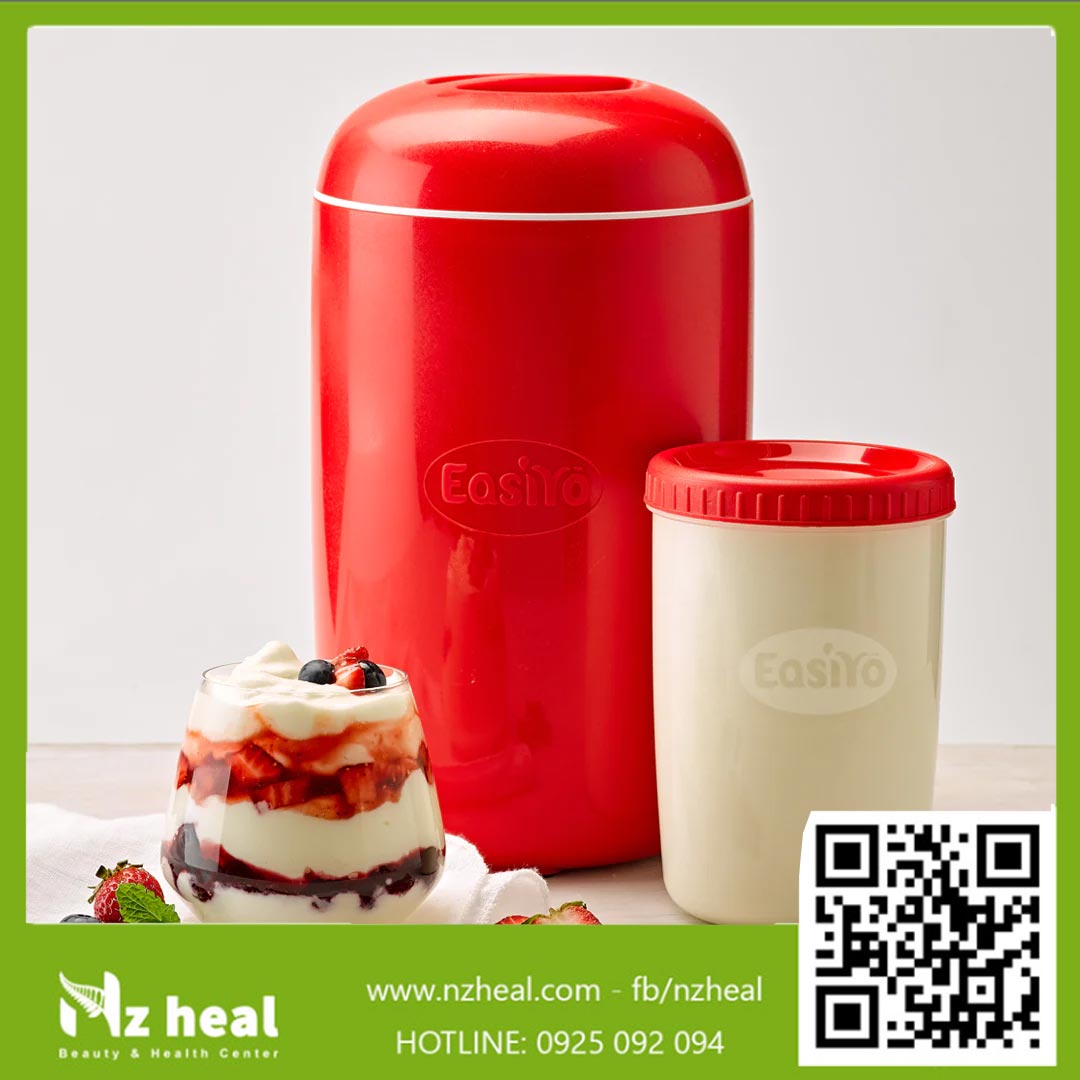
So, What Exactly IS a Yogurt Maker with a Chiller?
A yogurt maker with a chiller is a countertop appliance that fully automates the yogurt-making process from start to finish. It not only provides the perfect, consistent heat needed for incubation but also automatically cools the yogurt down once the fermentation is complete.
Think of it like this: a regular yogurt maker is like a cozy incubator for your baby yogurt cultures. It keeps them warm and happy so they can grow. A yogurt maker with a chiller is like a full-service nursery. It incubates them perfectly and then, when the time is right, it tucks them into a cool bed to stop the process, preserving that perfect texture and taste you were aiming for. No more alarms, no more forgotten batches turning into sour cheese, and no more babysitting your yogurt.
How Does This Magical Machine Even Work?
The secret sauce is its two-phase automated system. Understanding this simple process helps you appreciate just how convenient this gadget is.
Phase 1: The Incubation Cycle
This is the classic part of yogurt making. After you’ve mixed your milk and starter culture, you pour it into the machine’s containers. You then set the desired incubation time and temperature. The machine gently heats up and maintains that perfectly stable temperature—usually somewhere between 100°F and 115°F (38°C to 46°C). This is the sweet spot where the good bacteria (like Lactobacillus bulgaricus and Streptococcus thermophilus) get to work, converting the lactose in the milk into lactic acid. This is what thickens the milk and gives yogurt its signature tangy flavor.
Phase 2: The Automatic Chilling Cycle
Here’s where the magic happens. Once the programmed incubation time is up, a standard machine would just turn off, leaving the yogurt to sit in a warm environment. But a yogurt maker with a chiller automatically switches gears. It kicks on its built-in cooling system, rapidly bringing the temperature of the yogurt down. This is incredibly important because it immediately stops the fermentation process. If fermentation continues for too long, your yogurt can become overly tart or even separate. The chilling phase locks in the flavor and texture at its peak.
|
Our Picks for the Best Yogurt Maker in 2026
As an Amazon Associate, we earn from qualifying purchases.
|
||
| Num | Product | Action |
|---|---|---|
| 1 | Euro Cuisine YM360 Yogurt Maker with Adjustable Time & Temperature Control - 2-Quart Glass Jar, FREE Thermometer & Cotton Strainer Bag, 2025 Edition, Black, Make Yummy Organic Probiotic Yogurt at Home |

|
| 2 | Suteck Yogurt Maker with 8 Glass Jars, Time & Temp Adjustable Control Yogurt Machine, Homemade Greek & Probiotic Yogurt, Automatic Shut-Off, BPA-Free, 48 oz Total, |
|
| 3 | Ultimate Probiotic Yogurt Maker with Adjustable Temperature & Time Control - Make Trillions of Live Probiotics & Get Better Gut Health - ULTIMATE LIFETIME WARRANTY - Wellness Gifts for Men & Women |
|
| 4 | Ultimate Yogurt Jars - Make More Delicious Yogurt! 8 Count Small Glass Yogurt Cups With Lids - 100% BPA Free, Airtight & Dishwasher Safe! Perfect Containers for Yoghurt, Oatmeal, Pudding, or Jello |
|
| 5 | Yogurt Maker, Automatic Digital Yoghurt Maker Machine with 5 Glass Jars 42 Ozs, with Constant Temperature Control for Home Organic Yogurt, Cheese, Fruit Wine (with 5 Cups) |
|
| 6 | Yogurt Maker, Automatic Digital Yoghurt Maker Machine with 5 Glass Jars 42 Ozs, with Constant Temperature Control for Home Organic Yogurt, Cheese, Fruit Wine (No Cups) |
|
| 7 | Suteck Yogurt Maker - Stainless Steel Yogurt Makers with Adjustable Time & Temp Control,Automatic Shut-Off & Constant Temper for Homemade Greek, Probiotic Yogurt, BPA-Free 8 Glass Jars (48 oz) |
|
| 8 | DASH My Mug Ice Cream Maker Machine (Aqua): Multi-Purpose Soft Serve Ice Cream Machine with (2) Bowls for Homemade Gelato, Sorbet, Frozen Yogurt, Built-In Ingredient Chute, Easy to Clean and Store |
|
| 9 | Bear Yogurt Maker, Greek Yogurt Maker Machine with Strainer and Timer Control, Stainless Steel Inner Pot, Automatic Digital with 2 Glass Jars 1 Quart for Home Organic Yogurt, Cheese, Fruit Wine |
|
| 10 | Ultimate Probiotic Yogurt Maker with Adjustable Temperature & Time Control - Make Trillions of Live Probiotics & Get Better Gut Health - ULTIMATE LIFETIME WARRANTY - Wellness Gifts for Men & Women |
|
Key Features to Look For in a Yogurt Maker with a Chiller
Thinking about getting one? Awesome! Not all models are created equal, though. Here are the key features you should keep an eye on to make sure you get the best bang for your buck.
- Capacity and Container Type: Do you want to make one large batch or several individual servings? Some machines come with a single large tub, which is great for families or making Greek yogurt. Others come with a set of small glass jars, perfect for grab-and-go breakfasts and snacks.
- Programmable Controls: Look for a machine with a clear digital display that allows you to precisely control both the incubation time and temperature. More advanced control means you can experiment with different types of milk (like almond or coconut) and cultures, which may require different settings.
- Cooling Efficiency: The whole point is the chiller, right? Check reviews or product specs to see how quickly the machine cools the yogurt. A more efficient cooling system will preserve the texture better.
- Materials: We’re all about health here. Look for models with BPA-free plastic parts and high-quality glass or stainless steel containers. Glass is fantastic because it’s non-reactive, easy to clean, and doesn’t hold onto flavors.
- Ease of Cleaning: Let’s face it, nobody likes a complicated cleanup. Removable containers that are dishwasher-safe are a huge plus. A simple, wipe-clean base unit also makes life much easier.
A Step-by-Step Guide to Using Your New Gadget
The first time I used a yogurt maker with a chiller, it felt almost too easy. I kept checking on it, expecting to have missed a step. But that’s the beauty of it. Here’s a simple walkthrough.
- Prepare Your Base: Start with your milk of choice. For the creamiest results, I recommend whole milk. Gently heat it to about 180°F (82°C) and then let it cool down to around 110°F (43°C). This step helps create a thicker, smoother final product.
- Introduce the Culture: Whisk in your starter culture. This can be a spoonful of your favorite plain store-bought yogurt (make sure it has live, active cultures!) or a powdered starter. Mix it in thoroughly but gently.
- Fill ‘Er Up: Pour the milk mixture into the yogurt maker’s container(s). Place them inside the machine and secure the lid.
- Set It and Forget It: This is the best part. Program your desired incubation time. A good starting point is usually 8-10 hours. The machine will handle the rest.
- The Big Chill: Once the incubation is done, the machine will automatically start the cooling process. You don’t have to do a thing. You can go to work, go to bed, or go on an adventure, knowing your yogurt is in good hands.
- Refrigerate and Enjoy: After the cooling cycle is complete, transfer the containers to your main refrigerator for a few more hours to fully set and chill. Then, it’s ready to enjoy!
Pro Tips for Yogurt Perfection
Making good yogurt is easy. Making great yogurt is an art. Here are a few tips I’ve picked up along the way.
- Starter Culture is Key: Don’t skimp here. A high-quality starter will give you a more complex flavor and a more consistent texture. Heirloom cultures are amazing because you can use a bit of your last batch to start the next one, indefinitely!
- Milk Matters: The fat content in your milk will directly impact the creaminess of your yogurt. Whole milk yields a rich, decadent yogurt, while skim milk will produce a thinner, more tart result.
- Hands Off!: Once the machine is running, resist the urge to open the lid or jiggle the containers. The cultures are delicate and need an undisturbed environment to work their magic.
“Homemade yogurt is a fantastic way to boost your gut health. By controlling the ingredients, you eliminate the added sugars and preservatives found in many commercial brands. A yogurt maker with a chiller ensures the probiotic cultures are preserved at their peak, maximizing the health benefits.”
— Dr. Elena Vance, Nutritionist and Fermentation Expert
The Tangible Benefits: Why Bother Making Your Own?
Is investing in a yogurt maker with a chiller really worth it? In my experience, absolutely. The benefits go way beyond just convenience.
- Superior Health: You are in complete control. No added sugars, no artificial thickeners, no preservatives. Just pure, probiotic-rich yogurt.
- Unbeatable Flavor: The taste of fresh, homemade yogurt is on another level. You can also customize it exactly to your liking—make it more or less tart, and add your own fresh fruit, honey, or vanilla.
- Cost-Effective: A gallon of milk and a starter culture can produce a huge amount of yogurt for a fraction of the price of buying individual tubs at the store.
- Eco-Friendly: Think of all the plastic tubs you’ll save from the landfill! Using reusable glass jars is a big win for the environment.
Keeping It Clean: Care and Maintenance
To keep your machine running smoothly for years, a little TLC is all it takes.
- Jars and Lids: Most glass or plastic containers are dishwasher safe (top rack is best). If washing by hand, use warm, soapy water and rinse thoroughly.
- The Base Unit: Never submerge the main electrical unit in water. Simply unplug it and wipe it down with a damp cloth. Make sure it’s completely dry before storing.
- Storage: Store your clean, dry yogurt maker in a cupboard away from direct heat or moisture.
Frequently Asked Questions (FAQ)
Can I use non-dairy milk in a yogurt maker with a chiller?
Yes, you can! Almond, soy, coconut, and cashew milk can all be used. However, they often require a thickener (like agar-agar or tapioca starch) and a specific non-dairy starter culture to achieve a yogurt-like consistency. The precise temperature control on these machines is a huge help for these more finicky milks.
How long will my homemade yogurt last in the fridge?
Properly chilled and stored in an airtight container, your homemade yogurt should last for 1 to 2 weeks in the refrigerator. The flavor may become slightly more tart over time as a tiny amount of fermentation can still occur.
Is the automatic chiller feature noisy?
Most modern yogurt makers with a chiller use a small, quiet fan for the cooling system, similar to a small computer fan. It’s generally very quiet and shouldn’t be disruptive.
What if my yogurt comes out too runny?
Runny yogurt is a common issue for beginners! It could be due to a few things: not heating the milk initially, an old or weak starter culture, or too short of an incubation time. Try a longer incubation period next time or switch to a fresh starter.
Is a yogurt maker with a chiller worth the extra cost?
If your schedule is busy and you value convenience, it is absolutely worth it. The ability to “set it and forget it” without worrying about over-fermenting your yogurt removes the biggest hurdle for many people. It ensures consistent, perfect results every single time.
Your Journey to Perfect Yogurt Starts Here
The leap from store-bought to homemade yogurt is one of the most rewarding kitchen adventures you can take. A yogurt maker with a chiller isn’t just an appliance; it’s a trusty sidekick that takes the guesswork and stress out of the process. It empowers you to create healthy, delicious, and affordable yogurt for you and your family, all on your own schedule. So go ahead, take the plunge and discover just how cool homemade yogurt can be.