Ever find yourself standing in the dairy aisle, gazing at those tubs of thick, luscious Greek yogurt and wondering, “Could I make this at home?” The answer is a resounding yes, and the secret weapon to achieving that incredible creaminess is a surprisingly simple tool. So, let’s dive into the big question: What Is A Yogurt Cheese Maker? It’s the key to transforming your good homemade yogurt into something truly great.
Think of it as your yogurt’s personal trainer. It takes regular, homemade yogurt and puts it through a process that strains out the excess liquid whey, leaving you with a product that’s denser, creamier, and packed with protein. If you’ve ever craved that velvety, rich texture of store-bought Greek yogurt or even a soft, spreadable cheese like labneh, this little gadget is about to become your best friend in the kitchen. It’s the bridge between “I made yogurt” and “Wow, I made this?”
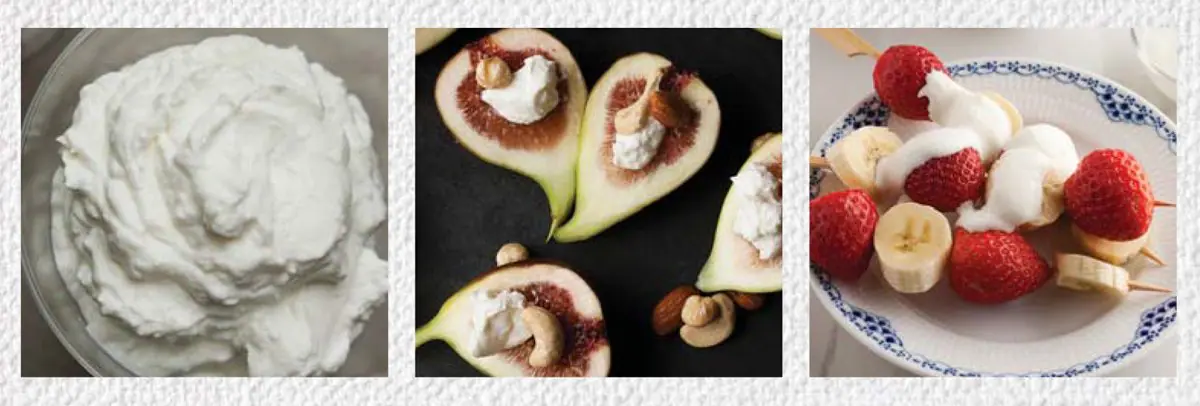
What Exactly Is a Yogurt Cheese Maker?
A yogurt cheese maker is essentially a specialized strainer. While that sounds basic, its design is perfectly engineered for one job: separating the liquid whey from the solid yogurt curds slowly and efficiently. Most models consist of a fine mesh strainer (often made of stainless steel or food-grade plastic) that sits inside a larger container, which collects the whey as it drips out.
It’s a far cry from the old-school method of balancing a cheesecloth-lined colander over a bowl in the fridge, which, trust me, can get messy fast. A dedicated yogurt cheese maker is a clean, compact, and self-contained system that makes the process foolproof.
How Does It Work?
The principle is pure, simple science: gravity.
You simply pour your plain, finished yogurt into the mesh basket, pop the lid on, and place the whole unit in the refrigerator. Over the next few hours (or even overnight), the liquid whey slowly drips through the fine mesh and collects in the container below. The longer you let it strain, the thicker your final product will be.
- A few hours of straining? You get thick, Greek-style yogurt.
- Overnight or longer? You get yogurt cheese, or labneh, which has a consistency similar to cream cheese.
It’s a hands-off process that yields incredible results. The real magic, however, starts before you even get to the straining stage. To get yogurt worth straining, you first need to make it, and that’s where its bigger, more sophisticated sibling comes into play: the yogurt maker machine.
The Essential First Step: The Yogurt Maker Machine
While a yogurt cheese maker perfects the texture, a yogurt maker machine is what actually creates the yogurt. You can’t have one without the other if you want consistent, delicious results. Think of the yogurt maker as the incubator, creating the perfect warm, stable environment for the magic of fermentation to happen.
|
Our Picks for the Best Yogurt Maker in 2025
As an Amazon Associate, we earn from qualifying purchases.
|
||
| Num | Product | Action |
|---|---|---|
| 1 | Bear Yogurt Maker, Greek Yogurt Maker Machine with Strainer and Timer Control, Stainless Steel Inner Pot, Automatic Digital with 2 Glass Jars 1 Quart for Home Organic Yogurt, Cheese, Fruit Wine |

|
| 2 | Ultimate Yogurt Jars - Make More Delicious Yogurt! 8 Count Small Glass Yogurt Cups With Lids - 100% BPA Free, Airtight & Dishwasher Safe! Perfect Containers for Yoghurt, Oatmeal, Pudding, or Jello |
|
| 3 | Suteck Yogurt Maker with 8 Glass Jars, Time & Temp Adjustable Control Yogurt Machine, Homemade Greek & Probiotic Yogurt, Automatic Shut-Off, BPA-Free, 48 oz Total, |
|
| 4 | Yogurt Maker, Automatic Digital Yoghurt Maker Machine with 5 Glass Jars 42 Ozs, with Constant Temperature Control for Home Organic Yogurt, Cheese, Fruit Wine (with 5 Cups) |
|
| 5 | Ultimate Probiotic Yogurt Maker with Adjustable Temperature & Time Control - Make Trillions of Live Probiotics & Get Better Gut Health - ULTIMATE LIFETIME WARRANTY - Wellness Gifts for Men & Women |
|
| 6 | Euro Cuisine YM360 Yogurt Maker with Adjustable Time & Temperature Control - 2-Quart Glass Jar, FREE Thermometer & Cotton Strainer Bag, 2025 Edition, Black, Make Yummy Organic Probiotic Yogurt at Home |
|
| 7 | Ultimate Probiotic Yogurt Maker with Adjustable Temperature & Time Control - Make Trillions of Live Probiotics & Get Better Gut Health - ULTIMATE LIFETIME WARRANTY - Wellness Gifts for Men & Women |
|
| 8 | Suteck Yogurt Maker - Stainless Steel Yogurt Makers with Adjustable Time & Temp Control,Automatic Shut-Off & Constant Temper for Homemade Greek, Probiotic Yogurt, BPA-Free 8 Glass Jars (48 oz) |
|
| 9 | Yogurt Maker, Automatic Digital Yoghurt Maker Machine with 5 Glass Jars 42 Ozs, with Constant Temperature Control for Home Organic Yogurt, Cheese, Fruit Wine (No Cups) |
|
| 10 | DASH My Mug Ice Cream Maker Machine (Aqua): Multi-Purpose Soft Serve Ice Cream Machine with (2) Bowls for Homemade Gelato, Sorbet, Frozen Yogurt, Built-In Ingredient Chute, Easy to Clean and Store |
|
So, How Does a Yogurt Maker Work?
A yogurt maker is a simple appliance that holds milk and a starter culture at a consistent, low temperature for several hours. This controlled environment is crucial for the live bacteria in the starter culture to do their job: consume the lactose (milk sugar) and convert it into lactic acid. This process is what thickens the milk and gives yogurt its signature tangy flavor.
Without a machine, you’d be trying to find a consistently warm spot in your house, like an oven with the light on, which can be unreliable and lead to yogurt that’s either too runny or separated. A dedicated machine takes all the guesswork out of the equation.
Key Features to Look For in a Yogurt Maker
When you’re ready to get started, here’s what you should consider:
- Automatic Timer: This is a lifesaver. You can set it and forget it, and the machine will shut off automatically when the incubation is done.
- Temperature Control: Different cultures thrive at slightly different temperatures. An adjustable setting gives you more control over the final taste and texture.
- Capacity and Containers: Do you want one large tub of yogurt or several individual glass jars? Machines offer both options, so pick what suits your family’s needs.
- Ease of Cleaning: Look for models with dishwasher-safe containers. You’ll thank yourself later.
Your Step-by-Step Guide to Perfect Homemade Greek Yogurt
Ready to combine the power of both machines? Here is a simple, no-fail guide to go from a carton of milk to a bowl of heavenly, thick yogurt.
Part 1: Making the Base Yogurt in Your Machine
- Heat the Milk: Gently heat your milk (whole milk works best for creaminess) in a saucepan to about 180°F (82°C). This changes the milk proteins, which helps create a thicker final product. Don’t let it boil!
- Cool it Down: Let the milk cool to around 110°F (43°C). This is the “Goldilocks” temperature—not too hot, not too cold—for the starter culture to thrive. If it’s too hot, you’ll kill the good bacteria.
- Introduce the Starter: Whisk in your starter culture. This can be a spoonful of store-bought plain yogurt with live active cultures or a freeze-dried yogurt starter packet. Make sure it’s fully incorporated.
- Incubate: Pour the mixture into your yogurt maker’s container(s), set the timer (usually for 8-12 hours), and let the machine work its magic. Resist the urge to peek! Disturbing the yogurt during incubation can ruin the texture.
- Chill: Once the incubation is complete, the yogurt will be set but still warm. Place it in the refrigerator for at least 6 hours to chill and firm up completely.
Part 2: Using Your Yogurt Cheese Maker for the Final Touch
- Strain to Perfection: Now, take your chilled, plain yogurt and gently scoop it into your yogurt cheese maker.
- Refrigerate and Wait: Place the covered strainer in the fridge. The whey will immediately start to drip into the collection container.
- Check for Consistency: After 2-3 hours, you’ll have a lovely Greek-style yogurt. If you want it even thicker, or you’re aiming for yogurt cheese, let it strain for 8-24 hours. The longer it goes, the thicker it gets.
- Store and Enjoy: Transfer your finished Greek yogurt or yogurt cheese to an airtight container. It will keep in the fridge for up to two weeks. And don’t throw out the whey! It’s packed with protein and can be used in smoothies, for baking, or even to water your plants.
Pro Tips for Yogurt Perfection
I’ve made my share of runny, failed batches, so let me share some wisdom learned from experience.
- Milk Matters: Whole milk will always give you the creamiest result due to its fat content. Ultra-pasteurized (UHT) milk can be tricky, so stick to regular pasteurized milk if you can.
- Starter Strength: Your starter is a living thing. If you’re using store-bought yogurt as a starter, make sure it’s fresh and lists “live and active cultures.”
- Be Patient: The biggest mistake beginners make is not incubating long enough or not chilling the yogurt completely before straining. Patience is a key ingredient.
As nutritionist Dr. Elena Vance often says, “Homemade yogurt puts you in complete control. You decide the sweetness, the fat content, and you ensure it’s packed with beneficial probiotics without the added sugars and preservatives found in many commercial brands. It’s a powerful step towards a healthier gut.”
The Delicious Benefits of Making Your Own
Why go through all this trouble? The payoff is huge.
- Healthier: You control the ingredients. No added sugars, thickeners, or artificial flavors. Just pure, probiotic-rich goodness.
- Cheaper: A tub of premium Greek yogurt can be expensive. Making it at home from a gallon of milk is incredibly cost-effective.
- Tastier: The flavor of fresh, homemade yogurt is unparalleled. It’s tangier, fresher, and you can customize it exactly to your liking.
- Less Waste: You’re not buying single-use plastic tubs every week. Plus, you can find creative uses for the leftover whey.
Keeping Your Gear in Top Shape
The best way to ensure great yogurt every time is to keep your equipment clean.
- The Yogurt Maker: Most inner pots and glass jars are dishwasher safe. For the main unit, simply wipe it down with a damp cloth. Never submerge the electrical base in water.
- The Yogurt Cheese Maker: This is even easier. Most are dishwasher safe. If washing by hand, use warm, soapy water and a soft brush to ensure no residue is left in the fine mesh. Let it air dry completely before storing.
Frequently Asked Questions
Can I make Greek yogurt without a yogurt cheese maker?
Yes, you can use a colander lined with multiple layers of cheesecloth or a clean coffee filter set over a bowl. However, a dedicated yogurt cheese maker is less messy, more efficient, and reusable, making it a worthwhile investment if you plan to make it regularly.
How long should I strain my yogurt?
It depends on your preference! For a classic Greek yogurt thickness, 2-4 hours is a good starting point. For an extra-thick, almost spreadable consistency, try 6-8 hours. For a soft yogurt cheese (labneh), let it strain for 12-24 hours.
Can I use non-dairy milk in my yogurt maker?
Absolutely! You can use soy, coconut, or almond milk. However, these milks lack the natural proteins of dairy milk, so you may need to add a thickener like agar-agar or tapioca starch to get a good set. Also, be sure to use a dairy-free starter culture.
What is the liquid that strains out, and can I use it?
That liquid is called acid whey. It’s full of protein, probiotics, and nutrients. Don’t discard it! Use it to replace water in bread recipes, add it to smoothies for a protein boost, or use it as a starter for fermenting vegetables.
My yogurt is still runny after straining. What did I do wrong?
This usually goes back to the initial incubation step. Your base yogurt might not have set properly. This could be due to a weak starter culture, incorrect milk temperature, or not incubating long enough. Ensure your base yogurt is fully chilled and firm before you begin straining.
Your Homemade Yogurt Journey Awaits
So, what is a yogurt cheese maker? It’s more than just a strainer; it’s the key that unlocks a new level of culinary creativity in your kitchen. Paired with a reliable yogurt maker machine, it empowers you to create yogurt that’s not only healthier and more affordable but also tastes infinitely better than anything you can buy. It’s about taking simple ingredients and transforming them into something wholesome and delicious. It’s time to stop dreaming about that perfect bowl of creamy yogurt and start making it.