Welcome to the wonderful, creamy world of homemade yogurt! If you’ve ever dipped a spoon into a pot of store-bought yogurt and thought, “I could do this,” you’re absolutely right. And if you’re just starting your journey, you’ve probably stumbled upon a few key terms. One of the most important is the “starter culture.” So, you’re asking, What Is A Direct Set Starter? Well, grab a cup of tea, and let’s break it down. Think of me as your friendly guide, the one who’s made all the mistakes so you don’t have to. Getting this one concept right is your first big step towards yogurt-making bliss.
A direct set starter, sometimes called a “single-use” or “direct inoculation” culture, is a pre-measured, one-time-use packet of bacteria designed to turn your milk into delicious yogurt. It’s the most straightforward, reliable, and foolproof way to get started. You use it once to make a batch of yogurt, and that’s it. No fuss, no muss.
The Magic Behind the Curtain: How Yogurt Starters Work
Before we dive deeper into the specifics of a direct set starter, let’s quickly touch on the basic science, shall we? Making yogurt is essentially a controlled fermentation process. You introduce specific, friendly bacteria (the starter culture) into warm milk. These bacteria then get to work, eating the lactose (milk sugar) and converting it into lactic acid. This acid is what causes the milk to thicken and develop that signature tangy flavor we all love.
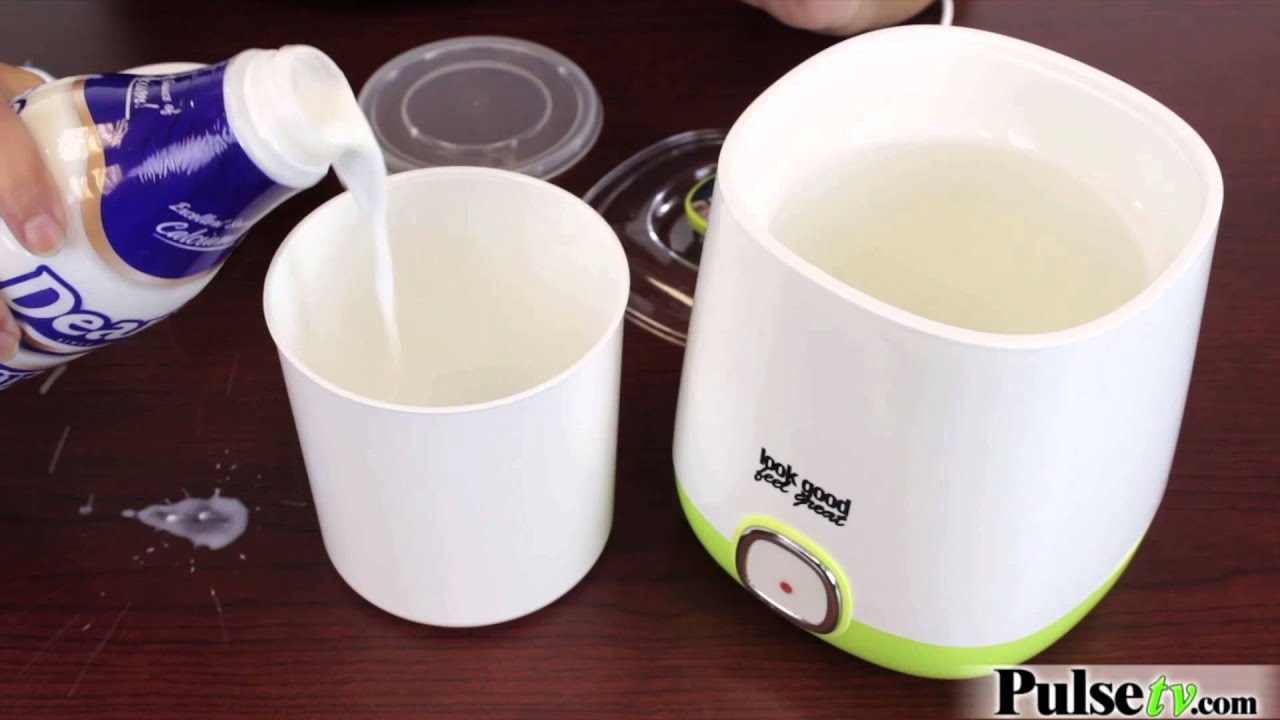
A good yogurt maker is your best friend in this process. It acts like a perfect little incubator, holding your milk and starter mixture at the exact temperature the bacteria need to thrive. Not too hot, not too cold—just right. This consistency is the secret to perfect yogurt, every single time.
So, What Is a Direct Set Starter, Exactly?
Okay, let’s get to the heart of it. Imagine you’re taking photos. You have two options: a disposable, single-use camera or a professional DSLR that you can use over and over.
A direct set starter is like that disposable camera. It’s designed to work perfectly one time, delivering predictable, consistent results without any prior experience needed. You open the packet, add it to your milk, and you’re guaranteed a fantastic batch of yogurt.
The alternative is an “heirloom” or “re-culturable” starter, which is more like the DSLR. You can save a little bit of your finished yogurt to start the next batch, and the next, and so on, potentially forever. It’s more sustainable but also requires more care and attention.
To make it crystal clear, let’s put them head-to-head.
Direct Set vs. Heirloom Starters: The Showdown
| Feature | Direct Set Starter | Heirloom (Re-culturable) Starter |
|---|---|---|
| Reusability | One-time use. | Can be re-used indefinitely. |
| Consistency | Highly consistent. The same result every time. | Can change slightly over time. |
| Maintenance | None. Just buy a new packet. | Requires regular feeding (making a new batch weekly). |
| Variety | Huge variety. Want Greek? Bulgarian? Vegan? There’s a packet for that. | Limited to the specific strain you have. |
| Best For | Beginners, occasional yogurt makers, or those wanting to try different styles. | Dedicated yogurt makers who want a sustainable, long-term culture. |
| Cost | Higher long-term cost as you need to repurchase. | Lower long-term cost after the initial purchase. |
Why You Might Fall in Love with a Direct Set Starter (The Pros)
Honestly, when I first started, direct set starters were a lifesaver. They took all the guesswork out of the equation and let me focus on just enjoying the process. Here’s why you’ll probably love them too.
- Foolproof Consistency: This is the number one reason people choose them. Because the blend of bacteria is precisely formulated in a lab, you get the exact same texture and flavor every single time. No surprises.
- Zero Maintenance: Let’s be real, we’re all busy. With a direct set starter, you don’t have to worry about “feeding” your culture every week to keep it alive. You just make yogurt whenever you feel like it.
- Endless Variety at Your Fingertips: This is the fun part! You can be a yogurt globetrotter from your own kitchen. One week you can make a thick, creamy Greek yogurt. The next, a tangy, traditional Bulgarian style. There are even specialized direct set starters for making yogurt with non-dairy milks like soy or coconut.
- Perfect for Beginners: The learning curve for making yogurt can feel steep. A direct set starter flattens that curve dramatically. It builds your confidence and ensures your first few batches are smashing successes.
The Other Side of the Coin: Potential Downsides
To give you the full picture, there are a couple of reasons why a direct set starter might not be your forever choice.
- Ongoing Cost: Since you have to buy a new starter for each batch (or every few batches, as some can be re-cultured a couple of times with diminishing returns), the cost can add up over time compared to a one-time purchase of an heirloom culture.
- Less Sustainable: If environmental impact is a top priority, the single-use nature and packaging might be a drawback for you.
How to Use a Direct Set Starter: A Step-by-Step Guide
Ready to make some magic? Using a direct set starter is incredibly simple, especially with a yogurt maker. Here’s a rundown of the process.
- Heat Your Milk: Pour your desired amount of milk (usually about a quart or liter) into a saucepan. Gently heat it to 180°F (82°C). This step is crucial because it kills any competing bacteria and changes the milk proteins, which results in a thicker yogurt.
- Cool it Down: This is just as important! Let the milk cool to around 110°F (43°C). If it’s too hot, you’ll kill the good bacteria in your starter. If it’s too cold, they won’t be active enough. A kitchen thermometer is your best friend here.
- Inoculate the Milk: Take a small amount of the warm milk and mix it in a separate bowl with your direct set starter packet. Stir until it’s completely dissolved. Then, pour this mixture back into the main pot of milk and stir gently to combine.
- Incubate: Pour the milk mixture into the jars or container of your yogurt maker. Set the machine according to the manufacturer’s instructions and the time recommended on your starter packet (usually between 5-12 hours).
- Don’t Disturb! This is the hardest part. Once it’s incubating, leave it alone. No peeking, no jiggling. Let the bacteria do their thing in peace.
- Chill Out: Once the incubation time is up, your yogurt will be set but still warm. Carefully transfer it to the refrigerator and let it chill for at least 6 hours. This step firms up the yogurt and improves the flavor.
- Enjoy! You did it! You’ve made fresh, delicious, homemade yogurt.
“The beauty of a direct set starter is its precision. Each packet contains a carefully selected blend of bacterial strains, like Lactobacillus bulgaricus and Streptococcus thermophilus, engineered to produce a specific texture and flavor profile. It’s food science at its most delicious, guaranteeing a consistent and safe product for the home cook.”
— Dr. Amelia Thorne, Food Scientist and Fermentation Expert
Pro Tips from the Yogurt Maker Guide Kitchen
- Ultra-Pasteurized Milk: If you’re really short on time, you can use ultra-pasteurized (UHT) milk. Since it’s already been heated to a high temperature, you can skip the heating and cooling steps (steps 1 & 2) and just warm it to 110°F before adding your starter.
- Cleanliness is Key: Make sure all your equipment—pots, spoons, jars—is squeaky clean to avoid introducing unwanted bacteria.
- Strain for Greek Style: Want that super thick, protein-packed Greek yogurt? After your yogurt has chilled, pour it into a cheesecloth-lined strainer set over a bowl and let it drain in the fridge for a few hours. The liquid that drains out is whey.
Frequently Asked Questions (FAQ)
Here are some of the most common questions we get about using these handy little packets.
Can I really not reuse a direct set starter?
Generally, they are designed for one use. You can try using a few tablespoons of your finished yogurt to start a new batch, and it might work once or twice, but the results will get weaker and tangier each time as the bacterial balance shifts. For guaranteed results, it’s best to use a fresh packet.
Where can I buy a direct set starter culture?
You can find them easily online from specialty fermentation suppliers, on Amazon, or in some larger health food stores. They come in shelf-stable, freeze-dried packets.
Do direct set starters work with non-dairy milk?
Yes, but you need to buy one specifically formulated for plant-based milks! Regular dairy starters won’t have the right food (lactose) to thrive in almond, soy, or coconut milk. Look for “vegan” or “non-dairy” yogurt starters.
How long do the starter packets last?
Most freeze-dried starter packets are shelf-stable for a long time, but for best results and maximum potency, it’s recommended to store them in the freezer. They can last for a year or more this way.
What if my yogurt doesn’t set with a direct set starter?
This is rare, but if it happens, the most likely culprits are temperature (milk was too hot or too cold when you added the starter) or an expired starter culture. Double-check your thermometer’s accuracy and the expiration date on the packet. You can find more tips in our guide to troubleshooting common yogurt-making problems.
Is a Direct Set Starter Right for You?
So, to wrap things up, a direct set starter is your ticket to the easiest, most reliable homemade yogurt you can imagine. It’s perfect for anyone who is just beginning, values convenience, or loves to experiment with different yogurt styles from around the world without a long-term commitment.
It removes the variables and the stress, letting you experience the pure joy of transforming a simple jug of milk into a healthy, delicious staple for your fridge. While heirloom cultures are fantastic for dedicated hobbyists, there’s no shame in sticking with what’s simple and effective. The best yogurt is the one you actually make and enjoy. So, are you ready to give it a try?