Ever find yourself staring at a giant tub of yogurt in the fridge, wondering how you’ll ever finish it before it goes bad? Or maybe you love vanilla, but the kids are screaming for strawberry, and your partner wants a tangy, plain Greek-style yogurt. The struggle is real. This is where the magic of homemade yogurt comes in, and I want to talk about one of my favorite kitchen gadgets. If you’re asking yourself What Is A Multi Jar Yogurt Maker, you’ve landed in the right place. Get ready to have your world of yogurt turned upside down—in the best way possible.
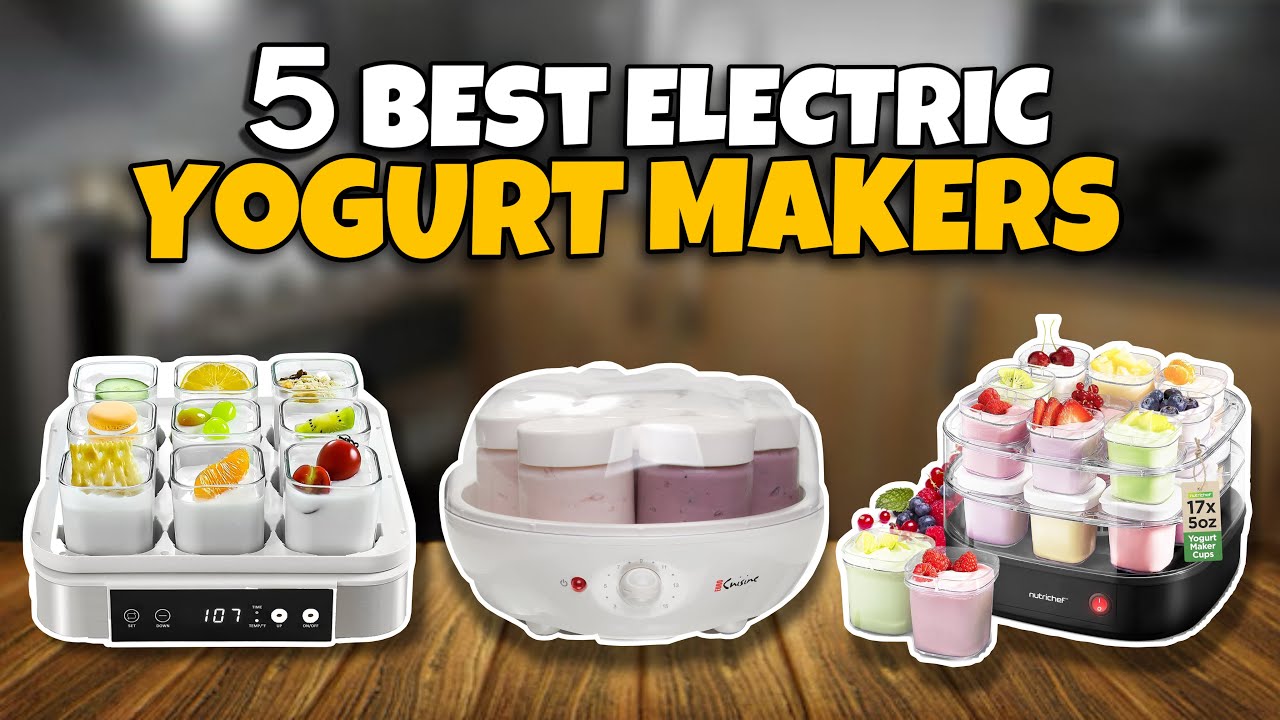
A multi jar yogurt maker is an electric appliance designed to simplify the process of making yogurt at home by providing a perfectly controlled, warm environment for fermentation. Instead of one large container, it uses several individual, single-serving jars, allowing you to create different flavors or perfectly portioned snacks all in one go. Think of it as a personal yogurt factory right on your countertop.
Why You Might Actually Need a Yogurt Maker
Let’s be honest, the idea of making yogurt from scratch can sound a bit… daunting. Like something our grandparents did. But modern yogurt makers have made the process ridiculously easy. Before we dive into the specifics of a multi jar model, let’s touch on why you’d want one in the first place. You’re not just buying another appliance to clutter your counter; you’re investing in control. Control over ingredients, flavors, sweetness, and ultimately, your health. No more weird preservatives or spoonfuls of hidden sugar you find in many store-bought brands.
How Does a Yogurt Maker Even Work? It’s Simpler Than You Think!
So, what’s the secret sauce? How does this machine turn plain old milk into creamy, delicious yogurt?
The answer is simple: gentle, consistent heat. A yogurt maker is essentially a small incubator. It holds your milk and starter culture mixture at the ideal “Goldilocks” temperature—usually between 100°F and 115°F (38°C to 46°C). This temperature is paradise for the good bacteria (like Lactobacillus bulgaricus and Streptococcus thermophilus) in your starter culture. In this cozy environment, they get to work, eating the lactose (milk sugar) and converting it into lactic acid. This acid is what causes the milk to thicken and develop that signature tangy flavor we all love.
A multi jar yogurt maker does this exact same job, but it distributes the heat evenly around a set of individual pots, ensuring every single serving cultures perfectly.
|
Our Picks for the Best Yogurt Maker in 2026
As an Amazon Associate, we earn from qualifying purchases.
|
||
| Num | Product | Action |
|---|---|---|
| 1 | Bear Yogurt Maker, Greek Yogurt Maker Machine with Strainer and Timer Control, Stainless Steel Inner Pot, Automatic Digital with 2 Glass Jars 1 Quart for Home Organic Yogurt, Cheese, Fruit Wine |

|
| 2 | Euro Cuisine YM360 Yogurt Maker with Adjustable Time & Temperature Control - 2-Quart Glass Jar, FREE Thermometer & Cotton Strainer Bag, 2025 Edition, Black, Make Yummy Organic Probiotic Yogurt at Home |
|
| 3 | Ultimate Probiotic Yogurt Maker with Adjustable Temperature & Time Control - Make Trillions of Live Probiotics & Get Better Gut Health - ULTIMATE LIFETIME WARRANTY - Wellness Gifts for Men & Women |
|
| 4 | Ultimate Probiotic Yogurt Maker with Adjustable Temperature & Time Control - Make Trillions of Live Probiotics & Get Better Gut Health - ULTIMATE LIFETIME WARRANTY - Wellness Gifts for Men & Women |
|
| 5 | Suteck Yogurt Maker - Stainless Steel Yogurt Makers with Adjustable Time & Temp Control,Automatic Shut-Off & Constant Temper for Homemade Greek, Probiotic Yogurt, BPA-Free 8 Glass Jars (48 oz) |
|
| 6 | Yogurt Maker, Automatic Digital Yoghurt Maker Machine with 5 Glass Jars 42 Ozs, with Constant Temperature Control for Home Organic Yogurt, Cheese, Fruit Wine (with 5 Cups) |
|
| 7 | Yogurt Maker, Automatic Digital Yoghurt Maker Machine with 5 Glass Jars 42 Ozs, with Constant Temperature Control for Home Organic Yogurt, Cheese, Fruit Wine (No Cups) |
|
| 8 | DASH My Mug Ice Cream Maker Machine (Aqua): Multi-Purpose Soft Serve Ice Cream Machine with (2) Bowls for Homemade Gelato, Sorbet, Frozen Yogurt, Built-In Ingredient Chute, Easy to Clean and Store |
|
| 9 | Suteck Yogurt Maker with 8 Glass Jars, Time & Temp Adjustable Control Yogurt Machine, Homemade Greek & Probiotic Yogurt, Automatic Shut-Off, BPA-Free, 48 oz Total, |
|
| 10 | Ultimate Yogurt Jars - Make More Delicious Yogurt! 8 Count Small Glass Yogurt Cups With Lids - 100% BPA Free, Airtight & Dishwasher Safe! Perfect Containers for Yoghurt, Oatmeal, Pudding, or Jello |
|
Key Features to Look For in a Multi Jar Yogurt Maker
Not all yogurt makers are created equal. When you’re on the hunt for the perfect multi jar model, here are the non-negotiables you should keep an eye on.
The Jars Are The Stars
This is the main event! The whole point of a multi jar yogurt maker is the individual containers.
- Material: Most models come with either glass or BPA-free plastic jars. I’m a huge fan of glass. It’s non-reactive, so it won’t absorb flavors or odors. It’s also easy to clean, dishwasher-safe, and you can see your beautiful yogurt as it sets.
- Size: Jars typically range from 5 to 7 ounces (150-200ml), which is the perfect single-serving size for breakfast, a snack, or a lunchbox treat.
- Lids: Look for jars with tight-fitting lids. This is crucial for storing your yogurt in the fridge after it’s done culturing. Some even have date-dials on the lids, which is a fantastic touch!
Temperature Control and Consistency
This is the most critical function. A good machine will maintain a stable temperature without any hot spots, which could kill the delicate bacteria. While many basic models have a single preset temperature, more advanced ones might offer adjustable settings, which is great if you want to experiment with different types of cultures, including those for non-dairy yogurts.
A Reliable Timer and Auto Shut-Off
I cannot stress this enough: an auto shut-off feature is a lifesaver. Fermentation time can range from 6 to 12 hours. A built-in timer that automatically turns the machine off when it’s done means you can literally set it and forget it. You can let it run overnight and wake up to freshly cultured yogurt without worrying about it over-fermenting and becoming too sour.
Ease of Cleaning
Let’s face it, if an appliance is a pain to clean, you won’t use it. Look for a model where the jars and lids are dishwasher-safe. The base unit itself usually just needs a quick wipe-down. Simple.
Your First Batch: A Step-by-Step Guide to Using Your Multi Jar Yogurt Maker
Ready to give it a whirl? Believe me, after your first successful batch, you’ll be hooked. Here’s a basic rundown of the process.
- Prepare Your Milk: Gently heat your milk (whole milk makes the creamiest yogurt!) in a saucepan to about 180°F (82°C). This step is important because it kills any competing bacteria and changes the milk proteins, resulting in a thicker yogurt. Don’t boil it!
- Cool It Down: Let the milk cool to a lukewarm 110-115°F (43-46°C). This is crucial. If the milk is too hot, it will kill your starter culture. A kitchen thermometer is your best friend here.
- Introduce the Starter: In a separate bowl, mix a small amount of your cooled milk with your starter culture. Your starter can be a few tablespoons of a previous batch of homemade yogurt or a store-bought plain yogurt with live active cultures, or you can use a freeze-dried yogurt starter culture. Once smooth, whisk this mixture back into the main pot of milk.
- Fill ‘er Up: Carefully pour the milk mixture evenly into your individual glass jars. Screw the lids on if your machine’s instructions say to, though many require you to leave them off during incubation.
- Incubate: Place the jars into the multi jar yogurt maker, put the main cover on, set the timer (a good starting point is 8 hours), and press start.
- Patience, Young Grasshopper: Walk away. Let the machine do its thing. Don’t jiggle or move it during this time. The cultures are busy working their magic.
- Chill Out: Once the timer goes off, the yogurt will still be warm and a bit thin. Carefully remove the jars, put their individual lids on, and place them in the refrigerator for at least 4-6 hours. Chilling is what stops the fermentation process and allows the yogurt to set and thicken to its final, creamy consistency.
As nutritionist Dr. Evelyn Reed notes, “Making yogurt at home with a multi jar yogurt maker puts you in complete control of the sugar content. You can create a healthy, protein-packed snack for your family without the added sweeteners and artificial ingredients found in many commercial products. It’s a simple change that has a significant positive impact on your diet.”
Pro Tips for Perfect Homemade Yogurt Every Time
My first few batches were a learning experience. Here are a few secrets I’ve picked up along the way:
- Milk Matters: For the thickest, creamiest yogurt, use whole milk. Low-fat or skim milk works too, but the result will be thinner. For an extra-thick texture, try adding a tablespoon or two of non-fat milk powder to your milk before heating.
- Starter Freshness: Always use a fresh starter. If you’re using store-bought yogurt, check the expiration date and make sure it says “live and active cultures.”
- Don’t Add Flavorings Yet: Add your fruit, honey, maple syrup, or vanilla after the yogurt has been cultured and chilled. Adding them beforehand can interfere with the fermentation process.
- Incubation Time = Tanginess: The longer you let your yogurt incubate, the tangier it will become. Start with 8 hours and adjust based on your preference. 7 hours will be milder, while 10-12 hours will give you a much more pronounced tang.
The Delicious Benefits of Making Your Own Yogurt
Why go to all this trouble? The rewards are more than worth it.
- Healthier Ingredients, Happier You: You know exactly what’s in your yogurt: milk and cultures. That’s it. No gums, thickeners, artificial flavors, or heaps of sugar. It’s packed with beneficial probiotics for gut health.
- Flavor Freedom: This is where a what is a multi jar yogurt maker truly shines. You can make a few jars of plain for recipes, a couple of vanilla bean for breakfast, and a few honey-sweetened ones for the kids’ snacks—all in one batch! Explore endless homemade yogurt recipes and find your favorites.
- Surprisingly Budget-Friendly: A gallon of milk and a small starter can produce a huge amount of yogurt for a fraction of the cost of buying individual artisanal pots at the store. The savings add up quickly!
- Eco-Friendly Choice: Think of all the plastic tubs you’ll no longer be throwing away. By using reusable glass jars, you’re making a small but meaningful step toward reducing waste.
How to Clean and Care for Your Yogurt Maker
Keeping your machine in tip-top shape is easy. The base unit that contains the heating element should never be submerged in water. Simply unplug it and wipe it down with a damp cloth. The best part about a multi jar yogurt maker is that the jars and their lids are almost always dishwasher-safe. Just pop them in the top rack, and you’re good to go.
Frequently Asked Questions (FAQ)
Can I make different flavors in each jar of a multi jar yogurt maker at the same time?
It’s best to make a single, plain base in all the jars first. You can then add different fruits, sweeteners, or flavorings to each individual jar after the yogurt has been cultured and chilled, right before serving.
What happens if I leave the yogurt in the maker for too long?
If you leave the yogurt to incubate for too long (e.g., 14+ hours), it will become very tangy and sour. It may also start to separate, with a layer of watery whey forming on top. This is why a model with an auto shut-off timer is so helpful.
Do I need a special starter for a multi jar yogurt maker?
No, you don’t need a special starter. Any high-quality plain yogurt with live active cultures or a standard freeze-dried yogurt starter culture will work perfectly in a multi jar yogurt maker.
Are the glass jars in a multi jar yogurt maker usually dishwasher safe?
Yes, in most high-quality models, the glass jars and their lids are designed to be dishwasher safe, making cleanup incredibly convenient. Always check the manufacturer’s instructions to be sure.
Can I make non-dairy yogurt in a multi jar yogurt maker?
Absolutely! You can use soy, almond, coconut, or other plant-based milks. The process can be a bit different, and you may need to add a thickener like agar-agar or use a specific non-dairy yogurt starter culture for the best results.
Your Yogurt Journey Starts Here
So, what is a multi jar yogurt maker? It’s your ticket to customized, healthy, and delicious yogurt. It’s a simple, efficient tool that empowers you to take control of your food, reduce waste, and save money. It’s about the joy of opening your fridge to see a neat row of perfectly portioned, creamy yogurt pots that you made. Whether you’re a seasoned home cook or a complete beginner, this little appliance can bring a world of flavor and fun into your kitchen. Ready to start your adventure?